
How City Building Permitting Software Can Bring Your Paper Processes Online
A practical guide to bringing building permitting online, from digital applications and plan review to security, deployment, and long-term support.
Feb 19, 2026
•
X min read
•

If you’ve been thinking about modernizing your city building permitting process for a while, you’re not alone. Many municipalities are in the same boat: they know online permitting would help staff work more efficiently, reduce back-and-forth with applicants, and improve transparency, but the timing never feels right or the options feel overwhelming.
Meanwhile, expectations for online access keep rising. Residents and contractors are used to doing everything online, including paying bills, booking appointments, ordering materials, and submitting documents. When they can’t apply for building permits the same way, it can lead to frustration, delays, and extra phone calls.
The good news? Going paperless doesn’t require a full tech overhaul or an IT department. With the right approach, municipalities can bring building permitting online in a way that feels manageable and complements existing workflows. Teams can start experiencing benefits quickly, from fewer incomplete applications to faster approvals and better communication with the public. In this guide, we’ll walk you through the key steps to bring your legacy systems into the digital age.
What It Really Means to Bring Building Permitting Online
When people hear “online permitting,” it can sound like a complicated and expensive system overhaul. In practice, modernization simply connects the steps you already manage — applications, plan reviews, inspections, payments, and notifications — into one easy-to-use digital workflow.
This is the role platforms like GovWell were built for. GovWell is designed specifically to work around the existing processes of small and mid-sized municipalities, bringing everything you already do into one central online system. That means applicants can apply, upload plans, pay fees, and track progress online, while staff handle reviews, comments, and inspections from one dashboard. Departments collaborate in real time, inspectors update results from the field, and records become easy to search and report on, all with automatic status updates that keep applicants informed.
While the end result might sound simple, moving away from legacy paper systems can still feel overwhelming. To make the transition easier, it’s important to look for a comprehensive online permitting tool so you don’t want to have to mix and match online tools. Read on for some of the features to check when assessing if city building permit software can support your current workflows.
Building Permit Software Features To Look For
The best modern building permitting software solutions bring all the core components together for you. What once was separate forms, folders, and file cabinets becomes linked through a connected dashboard.
As Emily Brewer, Senior Planner and GovWell user in Brevard, North Carolina puts it, finding the right online permitting software “really feels like a step into the 21st century — into systems that are modern, accessible, and designed for how small municipalities like ours actually work."
Here’s what to look for to ensure you’re selecting a comprehensive and sophisticated solution:
1. 24/7 support to help community members quickly find answers
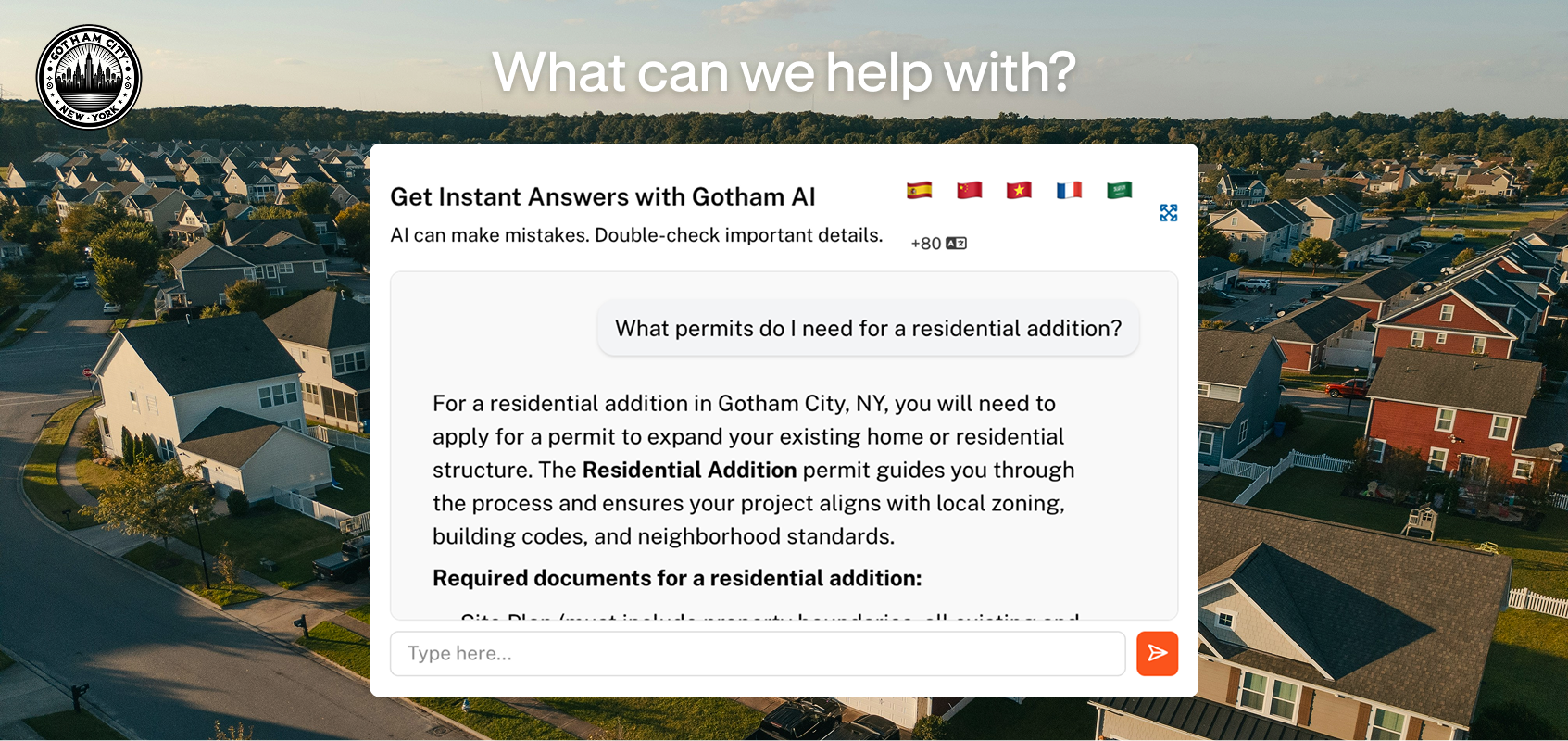
One of the first benefits of adopting the right online permitting system is providing increased access to community members. In today’s online landscape, 66% of people expect an answer within 5 minutes of making an inquiry. An online permitting platform helps meet that expectation with faster service and responsiveness than a paper-based system. This can often also result in a reduction in the number of calls and walk-ins your staff has to field each day.
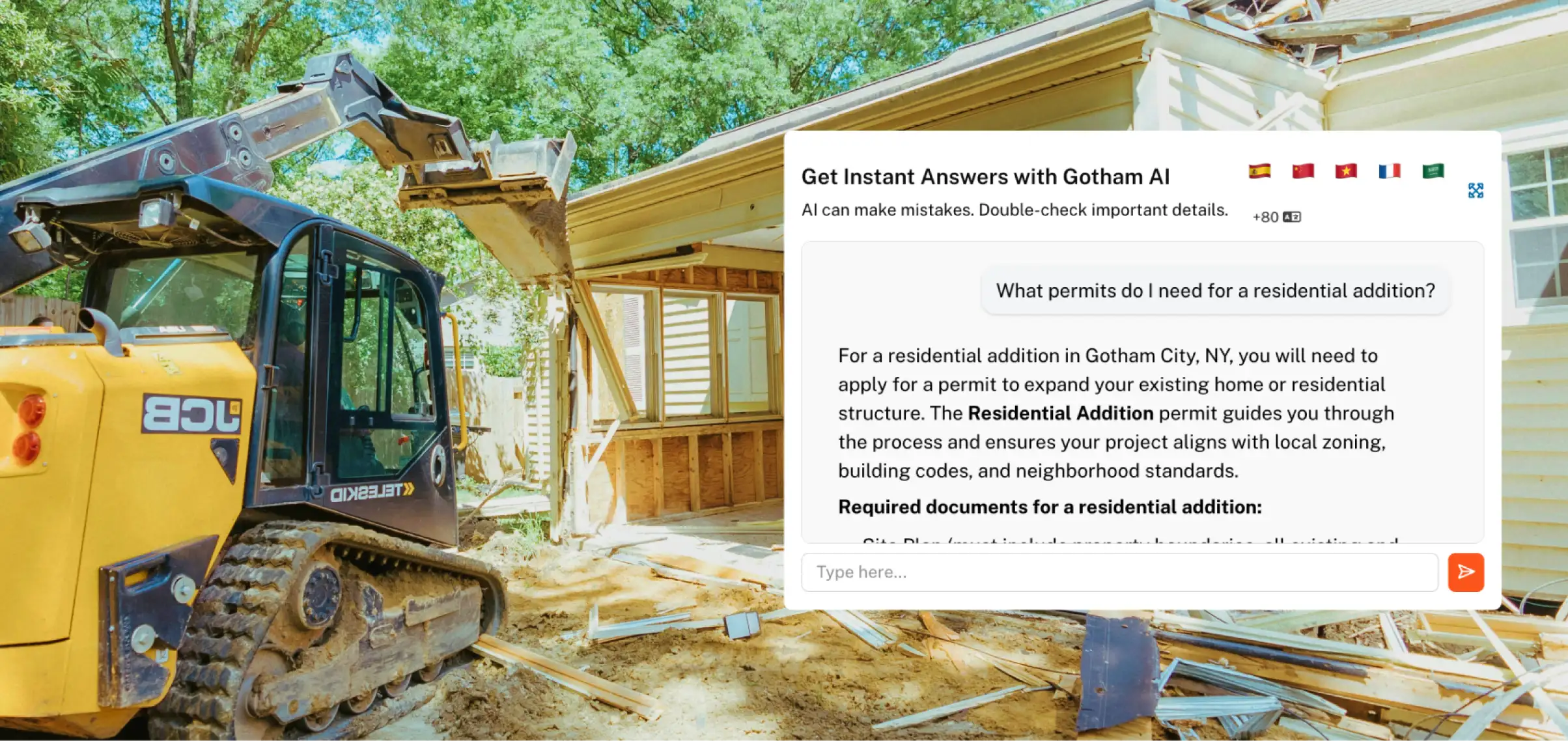
GovWell’s AI Community Assistant does exactly this. It allows residents and contractors to get answers 24/7 in their own language and directs them to quickly find the right forms, understand requirements, and get clarity on next steps. As Greg Seigfred, Director of Building and Codes in Perinton, New York, found, “Homeowners, especially, don’t have experience with building permits the way contractors do. Being able to pop open the chat and get directed instantly, any time of day, makes a huge difference.”
2. Smart online forms replacing paper applications
Instead of juggling paper packets or fillable PDFs, with an online permitting tool, applicants can fill out clear, guided online forms with enhanced capabilities. GovWell, for example, includes features like AI AutoCheck, which automatically checks applications before they are submitted, flagging common errors and confirming all required documentation is uploaded. This reduces incomplete submissions and saves staff time right from the start.
3. Integrated online plan review
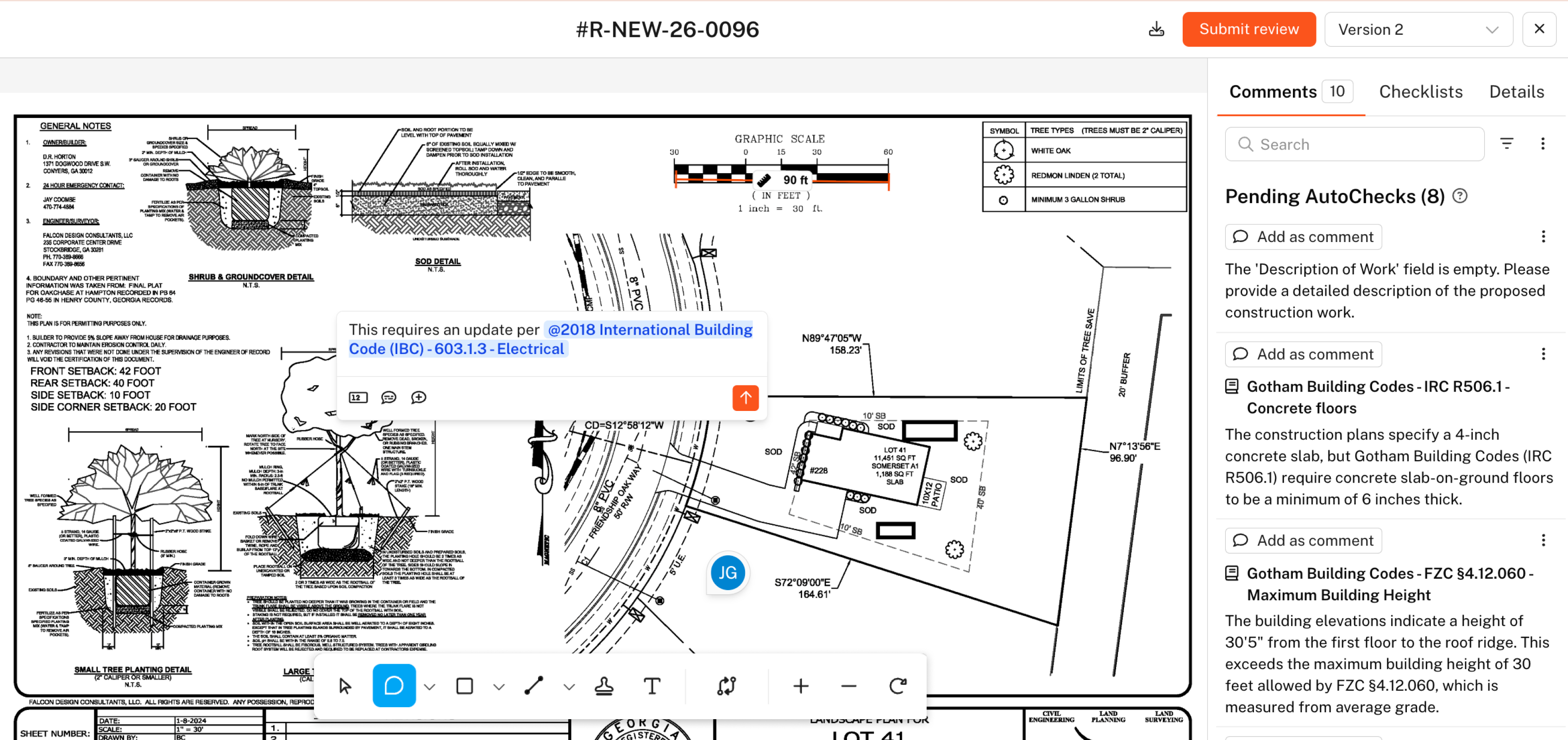
Another benefit of online permitting platforms is the ability to review site plans in a shared digital workspace. Instead of emailing PDFs back and forth or routing paper plan sets between departments, reviewers can collaborate on markups in one place, without cumbersome handoffs.
With GovWell, staff can automatically route site plans between reviewers and consolidate comments into a single document. AI AutoCheck analyzes large data sets to flag common plan issues, helping teams move through reviews more quickly and consistently.
Digital markup tools also expand on what reviewers could once do with pen and paper. Staff can leave comments, tag relevant sections of the building code, add shapes, and take measurements directly within the plan set.
Keeping everything organized online transforms an otherwise frustrating process, as Rick Barr, the Building Commissioner for Clarksville, Indiana, explains: “Before GovWell, trying to keep track of permits, payments, papers, inspections — it was a nightmare. Now everything is in one place and easy to find.”
4. Automatic notifications and updates
The right online permitting system keeps everything moving. When a permit moves to the next stage of review, staff are notified instantly. Applicants automatically receive updates when action is required — whether a payment is due, an inspection needs to be scheduled, or additional information is requested. Automated notifications reduce manual follow-ups and keep projects progressing without staff having to send individual, manual emails.
5. Digital and convenient online payments
According to the Federal Reserve Financial Services 2023 consumer payments survey, consumer payment behavior continues to shift toward digital-first options. According to the survey, 80% of Gen Z and millennials say it’s important to be able to make payments by mobile device.
The right online permitting system should reflect this shift. Residents and contractors increasingly expect to pay fees the same way they pay other bills — quickly and securely online. With GovWell’s online permitting system, staff can create invoices using custom fee rules and the system can automatically log credit card or ACH payments, eliminating manual tracking and bookkeeping.
6. Self-scheduled inspections with mobile field reporting
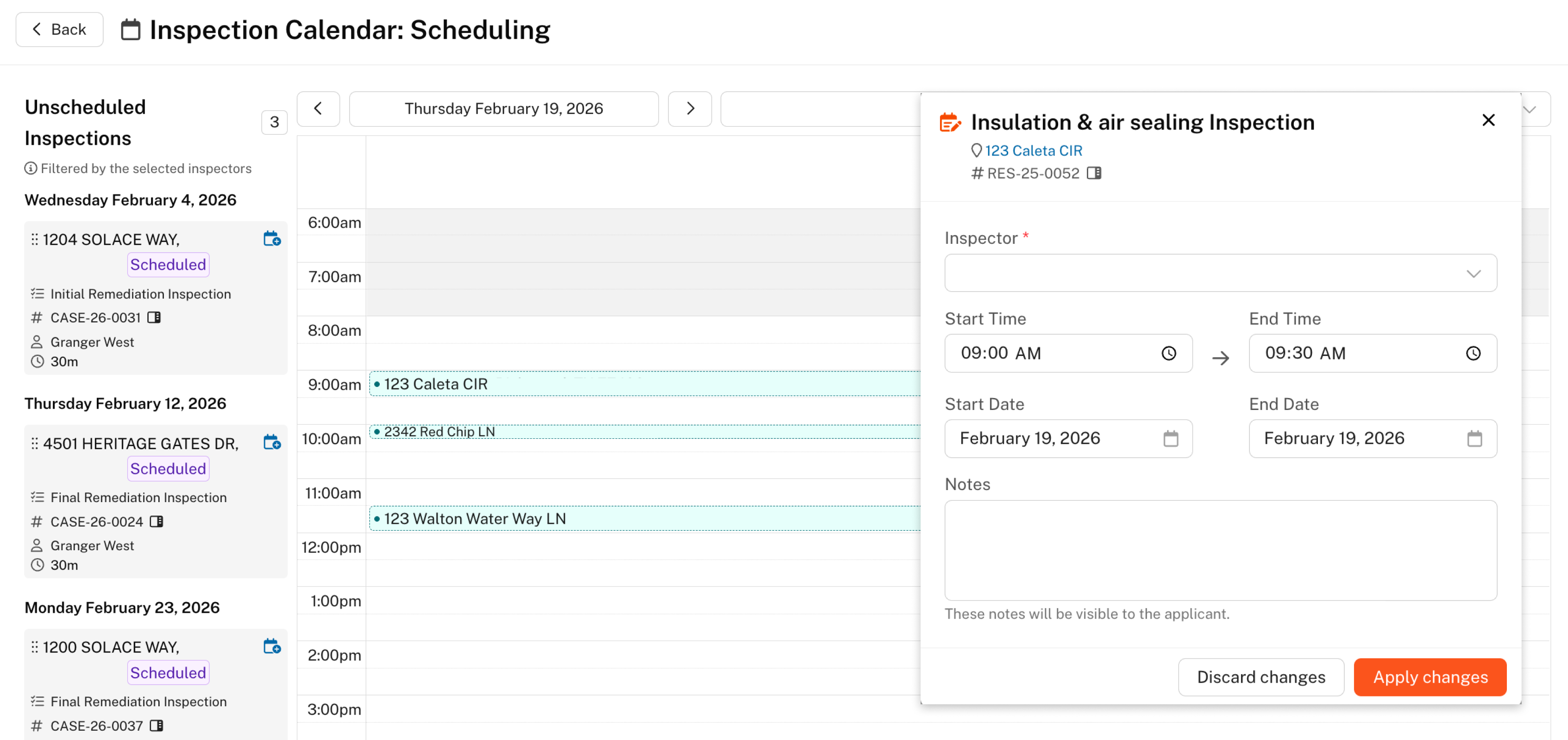
Another important feature of permitting software is the ability to manage inspections online. With GovWell, residents and contractors can schedule inspections themselves based on inspector availability, reducing phone calls and back-and-forth coordination. Inspectors can then enter results on-site — including photos, notes, and pass/fail status — from any device. Everything syncs instantly, so updates aren’t delayed and paperwork doesn’t pile up back at the office.
7. Document generation from pre-created templates
Online permitting software can simplify how departments create, issue, and store official documents. With GovWell, document creation happens directly within the permitting platform. Staff can generate certificates of occupancy and other essential documents using pre-built templates customized to match your city’s branding. Because everything is created and stored in the same system, there’s no need to draft documents manually or juggle separate paper files.
8. Instant tracking and reporting
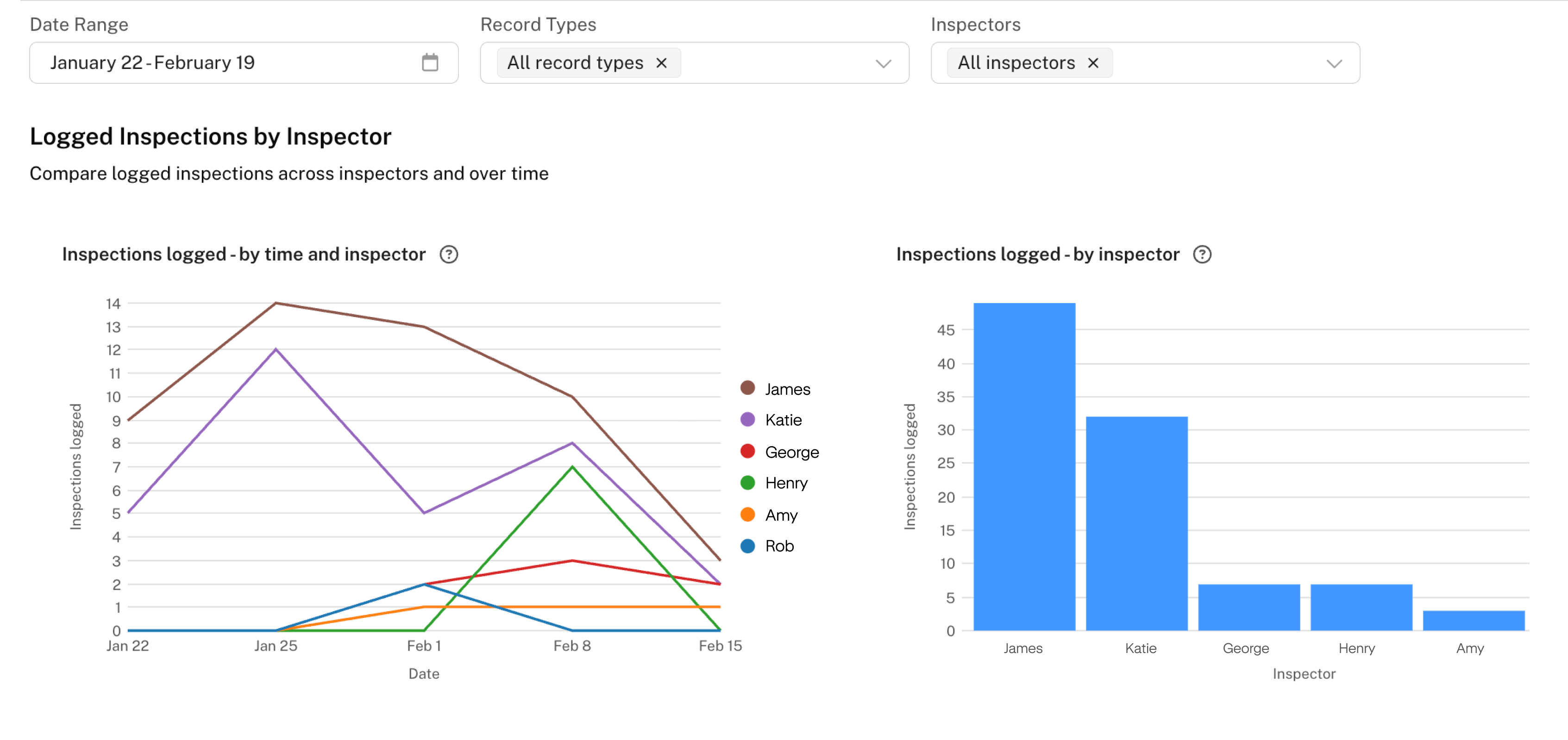
When everything is stored digitally, you have a clear, real-time view of your permitting activity without digging through paper files or stitching together spreadsheets. Staff can quickly search past records, filter by project type or status, and access dashboards that show permit volume, turnaround times, backlogs, inspection trends, and department activity.
Modern permitting platforms also make it easier to turn day-to-day work into actionable insights. Built-in reporting tools help departments monitor performance, identify bottlenecks, and plan resources more effectively.
With GovWell, teams gain visibility across workflows, revenue, and staff capacity, along with flexible reporting tools to support both standard metrics and custom analysis.
It might seem like a long checklist, but finding online permitting software with these features helps departments maintain an organized and manageable process. Once you make a shortlist of online building permitting tools with these capabilities, you have several other considerations to keep in mind: data security, deployment, and ongoing support.
Keeping Data Secure While You Go Paperless
Permitting involves sensitive information, including building plans, inspection notes, personal details, and payment data, so any online system you adopt needs to protect that information.
When evaluating digital systems, look for software that offer strong encryption, multi-factor authentication, clear data retention policies, ongoing monitoring, and independent audits such as SOC 2 Type II.
GovWell meets these standards. As a SOC 2 Type II certified provider, GovWell’s security practices have been independently verified across areas like:
- Infrastructure security with restricted access, enforced MFA, and encrypted keys
- Product and data security with encrypted data transmission, continuous monitoring, and clear data-retention policies
- Internal and organizational controls with strict deployment procedures, secure disposal, and documented configuration management
These safeguards are built into the platform, giving municipalities confidence that sensitive permitting data is protected throughout the entire process.
Setting Up Your City Building Permitting Process
Selecting the right software is only half the equation. Next is how you’ll get it up and running — and whether your staff feel confident using it from day one. Even the most powerful permitting platform won’t deliver results if implementation drags on, data isn’t migrated properly, or teams aren’t prepared for the transition.
When evaluating a system, look closely at the deployment process. A strong partner should provide:
- A structured implementation plan. This includes clear timelines, defined milestones, and a dedicated team that guides your city from kickoff through go-live.
- Workflow discovery and configuration. Every municipality operates differently. Your software provider should take time to understand your processes and configure forms, workflows, user roles, and reporting to reflect your policies, not force you into a one-size-fits-all template.
- Comprehensive data migration. Historical permits, inspections, documents, and records should be migrated accurately and validated before launch. This includes export, analysis and mapping, and quality assurance to ensure continuity of record-keeping.
- Hands-on training and testing. Staff should be able to test real-world scenarios and receive practical training before go-live so they feel prepared, not overwhelmed.
- Change management. Transitioning from paper or legacy systems requires clear communication. Look for a partner that helps you prepare for launch, align internal stakeholders, and communicate the change to residents and contractors — including support with messaging, media assets, and launch materials.
- Responsive live support. Ongoing support for both staff and the public ensures issues are resolved quickly and adoption remains high after launch.
GovWell provides each of these components as part of its deployment process. Cities work with dedicated deployment strategists who follow a structured rollout plan, migrate data with built-in quality checks, and provide hands-on training — helping most cities go live in weeks, rather than months.
This speed and dedication makes a real difference. As Brian Burgess, Director of Planning and Development Services in Shelby, North Carolina put it bluntly: “I would rather run my face through glass than go through an implementation with a provider other than GovWell.”
Partnering After Your Building Permitting Software Goes Live
When moving to an online permitting platform, the final (and often overlooked) factor to consider is the relationship that comes after deployment.
You want a provider who can be a long-term partner in your day-to-day operations, not a one-time software vendor. As regulations evolve, staff changes, and community expectations shift, your permitting platform should evolve with you.
When evaluating vendors, look for a partner that provides:
- A consistent point of contact who understands your municipality and workflows
- Responsive, real-time support for both staff and residents
- Ongoing configuration updates, whether self-service or guided by the vendor’s team
- Continuous system improvements, including enhancements to reporting and AI tools
- Regular check-ins and strategic guidance, not just reactive troubleshooting
GovWell takes a long-term approach to partnership and go-live is just the starting point. After implementation, cities receive real-time support for both staff and community members. Anyone who submits a message online receives a response in an average of 60 seconds or less.
Beyond day-to-day support, GovWell works alongside cities to continuously refine workflows, roll out updates, and ensure the platform delivers measurable value year after year.
The move online doesn’t require a big staff or months of disruption. With the right partner, it’s a structured, supported transition that leaves your team wondering why they waited so long.
If you’re weighing your options or starting to plan the switch to an online permitting platform, GovWell can help you map out your path forward. Our team of specialists can show you how cities and counties with similar workloads, budgets, and resources approached their transition and share how GovWell can support your municipality.
Modernize your local government with GovWell
Book a demo
.webp)